Theatre Arts
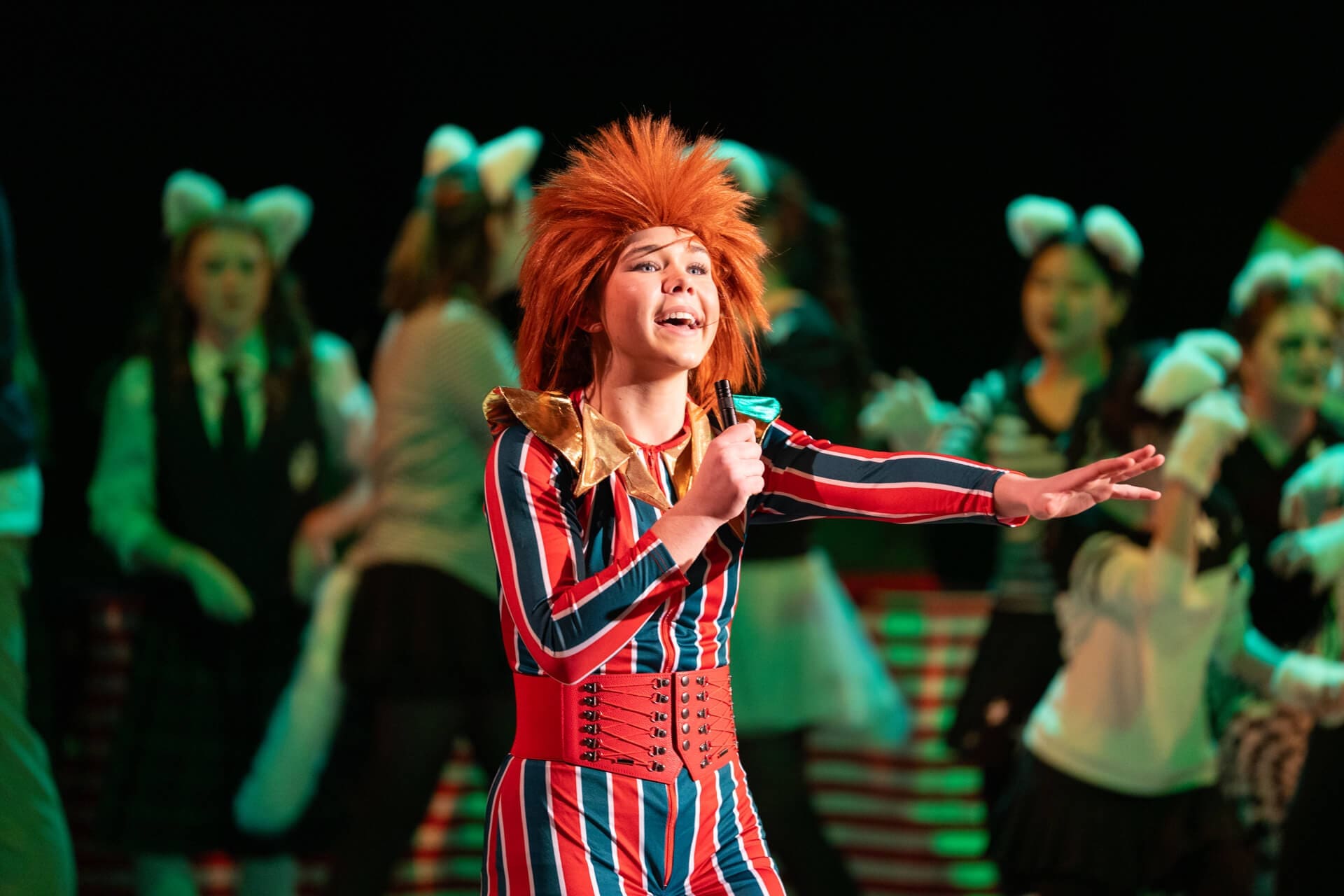
Our theatre program begins in Kindergarten and grows with our students as they develop confidence, speech skills, movement and stage presence through Grade 12. Students have performance opportunities in each grade to showcase their creative talents and hard work.
Music & Theatre in
the Lower School
Our Music & Movement program is based on the Orff-Schulwerk approach of music education. This approach is characterized by the inclusion of all students in ensemble work; the unity of music, movement, and speech; the emphasis on process teaching; and the prominence of the student’s voice as the centerpiece of all lessons.
Kindergarten
Kindergarten
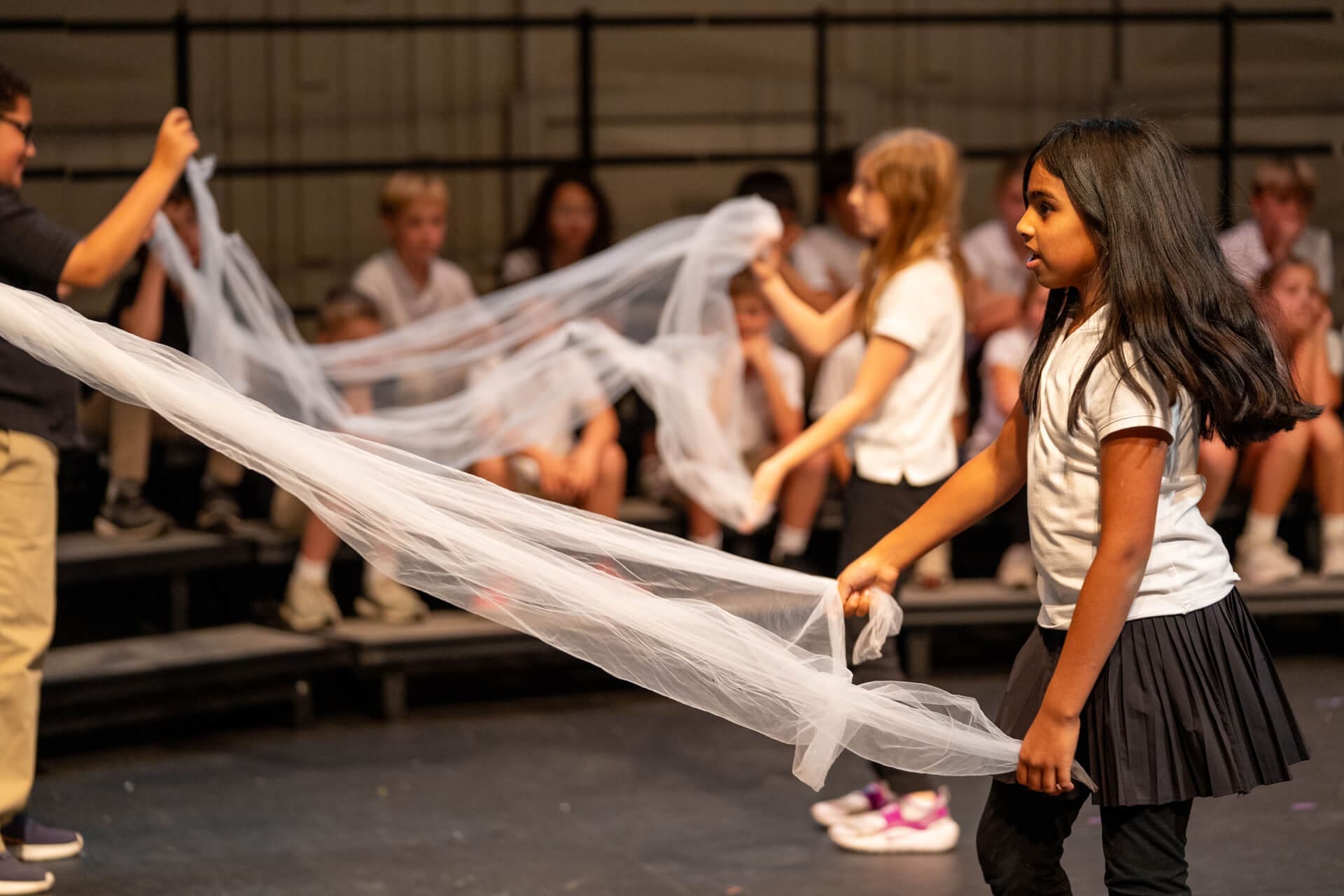
Kindergarten students are engaged in movement activities for a majority of class time, both creative movement and folk dances/singing games. Stories, poems, songs, and works of art are used as the basis for creating music, dances, and dramatizations.
Grade 1
Grade 1
Students are engaged in movement activities for a majority of class time, both creative movement and folk dances/singing games. Stories, poems, songs, and works of art are used as the basis for creating music, dances, and dramatizations. Partner work becomes increasingly more complex throughout the Grade 1 year.
Grade 2
Grade 2
In Grade 2, students are often engaged in small group work in order to strengthen their collaboration skills. Emphasis is placed on creating small musical and dance compositions and dramatizations based on stories, poems, songs, and works of art, which become more complex as the year progresses. Creative dance, rhythm reading, and simple instrumental ensemble pieces with more than one part are skills that are cultivated in Grade 2 Music & Movement.
Grade 3
Grade 3
Grade 3 students continue to work on collaborating in small groups to create music, movement, and dramatizations from stories, songs, poetry, and works of art. Ensemble work features multiple parts happening at the same time, and canon singing is a new skill that is introduced. The tasks assigned to third graders ask them to be increasingly more independent and to take responsibility for creating more complex pieces to share. Technology is used at times to allow students to compose music independently, and students also use digital platforms to create short films.
Grade 4
Grade 4
Grade 4 students continue to work on collaborating in groups to create music, movement, and dramatizations from stories, songs, poetry, and works of art. The recorder is a new instrument that is introduced in the Grade 4 year, allowing students to begin reading music in a very basic way, and to learn the basics of independent practice. Technology is used at times to allow students to compose music independently, and students also use digital platforms to create short films.
Theatre in the Middle School
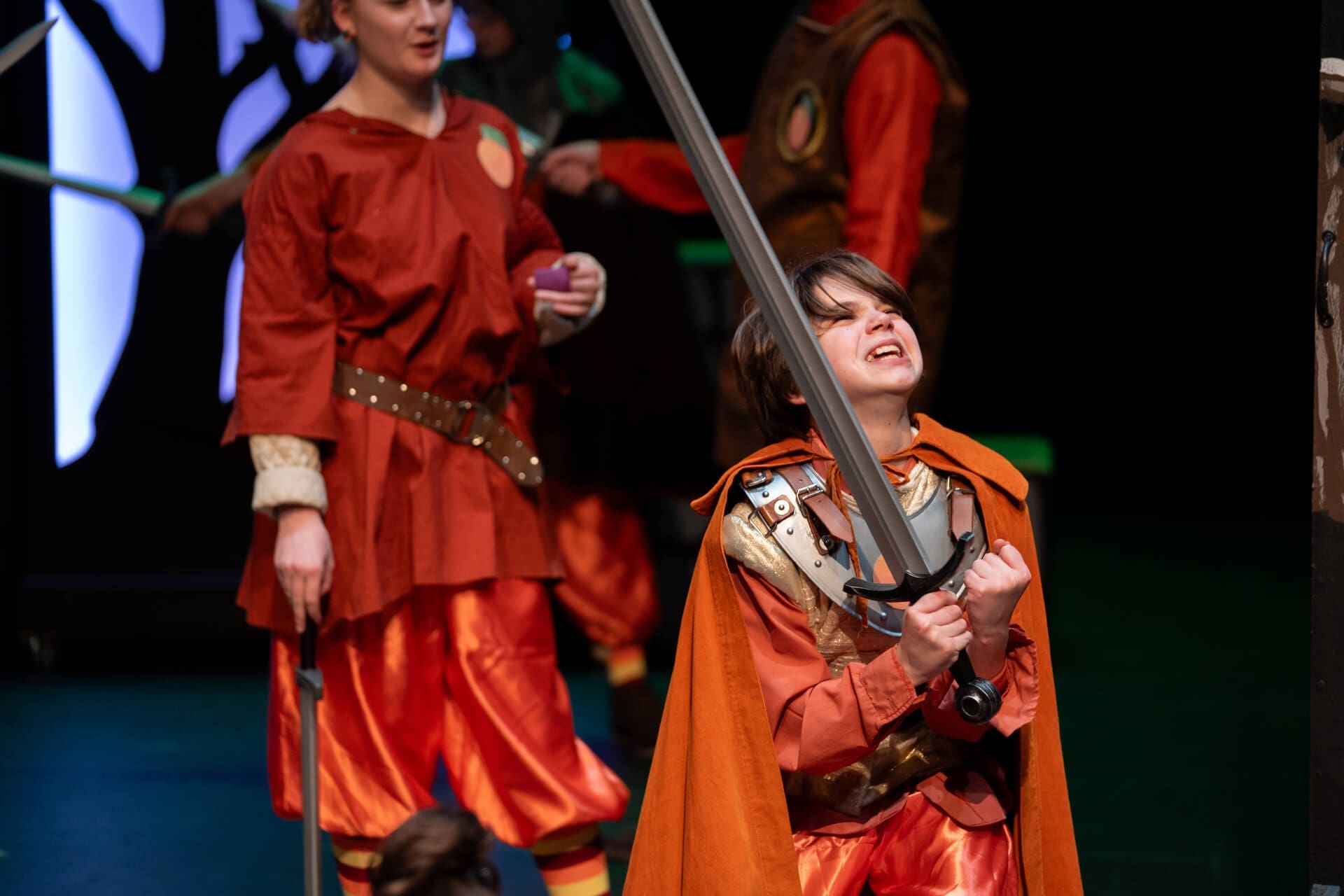
Grades 5 and 6 arts classes offer students broad exposure and exploration within a wide range of arts. All students in Grades 5 take strings, visual arts, music & movement, and theatre. In Grade 6, students choose a focus in either orchestra or choir and also enroll in both visual arts and theatre. The arts program in the Grades 7 and 8 provides an opportunity for students to focus on one area of the arts more exclusively. Students may choose to excel in the string orchestra, choir, theater arts, or specific visual arts media.
Grade 5
Grade 5 Theatre Arts
In Grade 5, students begin the year with building ensembles in their class communities in order to have a supportive foundation for personal and collective artistic growth. Students engage in a skill-based introductory curriculum to increase kinesthetic awareness; develop vocal techniques; and enhance imagination, analytical thinking, and improvisational response. Fifth grade ensembles will explore the art of physical theatre, mime, and an introduction to mask work.
Grade 6
Grade 6 Theatre Arts
In Grade 6, students will continue to build ensembles with a focus on taking artistic risks and giving constructive feedback. Students will engage with an intermediate curriculum to develop their kinesthetic, vocal, imaginative, improvisational and analytical skills with a focus on character development and playmaking. Sixth grade will build on their foundational understanding of theatre conventions and practices as they will engage in ensemble collaborations and writing original monologues and scenes.
Grades 7 & 8
Grades 7 & 8 Theatre Arts
Theatre Arts in Grades 7 and 8 is a year-long course self-selected by students who are interested in further developing their theatre training. Students will work to identify individual and ensemble inquiries and goals. Students will continue to hone their skills and further explore the development of character through physical and vocal training. They will apply these skills to select theatre forms such as improvisation, scene work, and Commedia dell’Arte. As students grow as actors they will also explore aspects of theatre tech and design and will cap off their Middle School Theatre Arts experience by exploring the fundamentals of filmmaking. In addition, students will support the development of Middle School productions through taking on leadership roles in the theatre space and production processes. All Grade 7 and 8 students are invited to audition for the after-school production.
Theatre in the Upper School
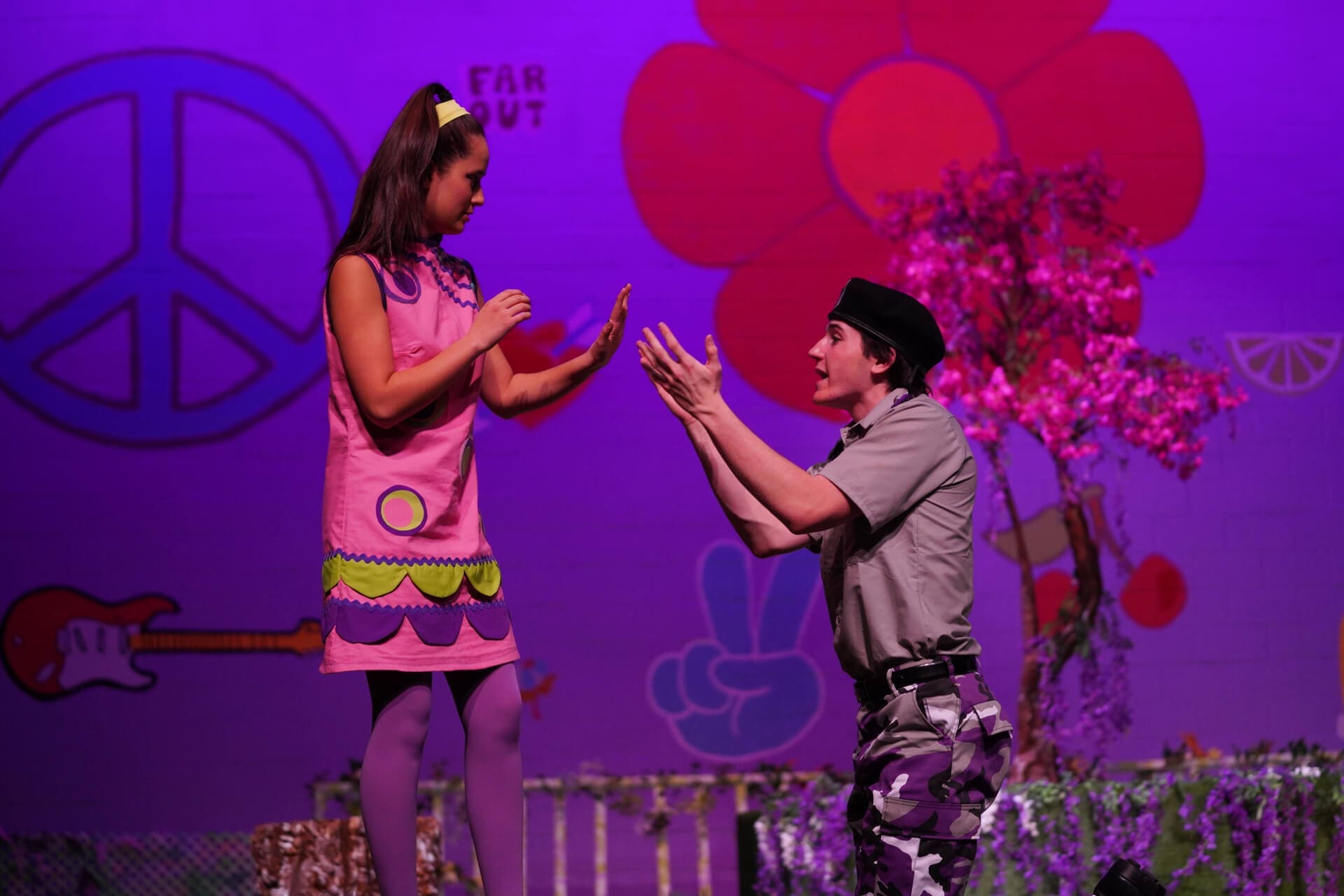
Comprised of theatre and acting for stage and screen, Grades 9 – 12 students have a variety of theatre options to explore, as well as taking part in either the Fall Play or Winter Musical after school.
Grades 9 – 12
Theatre Arts and Film Foundations
In this introductory course, students will be exposed to the many facets of theatre and film production through the viewing and evaluation of plays, screenplays, live performances, and films. Additionally, students will complete project-based assignments that will allow them to explore the function and roles of those involved in the creative process of making plays and films including actors, writers, directors, cinematographers, and designers. Examples of course content may include theatre games, greenscreening, narrative storytelling, and film composition.
Theatre Arts 2: Acting
In this course, students will explore the craft of acting by developing skills in emotional awareness, vocal technique, and body language. Students will learn and utilize techniques from classical and contemporary acting styles that they will explore through a variety of individual and collaborative group assignments such as improvisation, monologues, and scene work.
Continuing Studies in Theatre and Film
This course is for students who wish to continue their study of theatre and film at a more intensive level. In this course, many topics of theatre and film will be covered such as technical theatre and film production, advanced acting technique, screenwriting, and original short film production. Examples of assessments in the course may include technical theatre or film production projects, devising director concepts, writing and performing original plays, and creating short films utilizing professional equipment and software. Students in this course will explore how effective dramaturgy influences storytelling and script development, as well as the execution of an artistic vision for the stage and the screen. Students will engage in writing and performance workshops to articulate artistic choices and reflect on feedback from their peers.